

How Modern IT Solutions Help Businesses Scale in the Digital Era
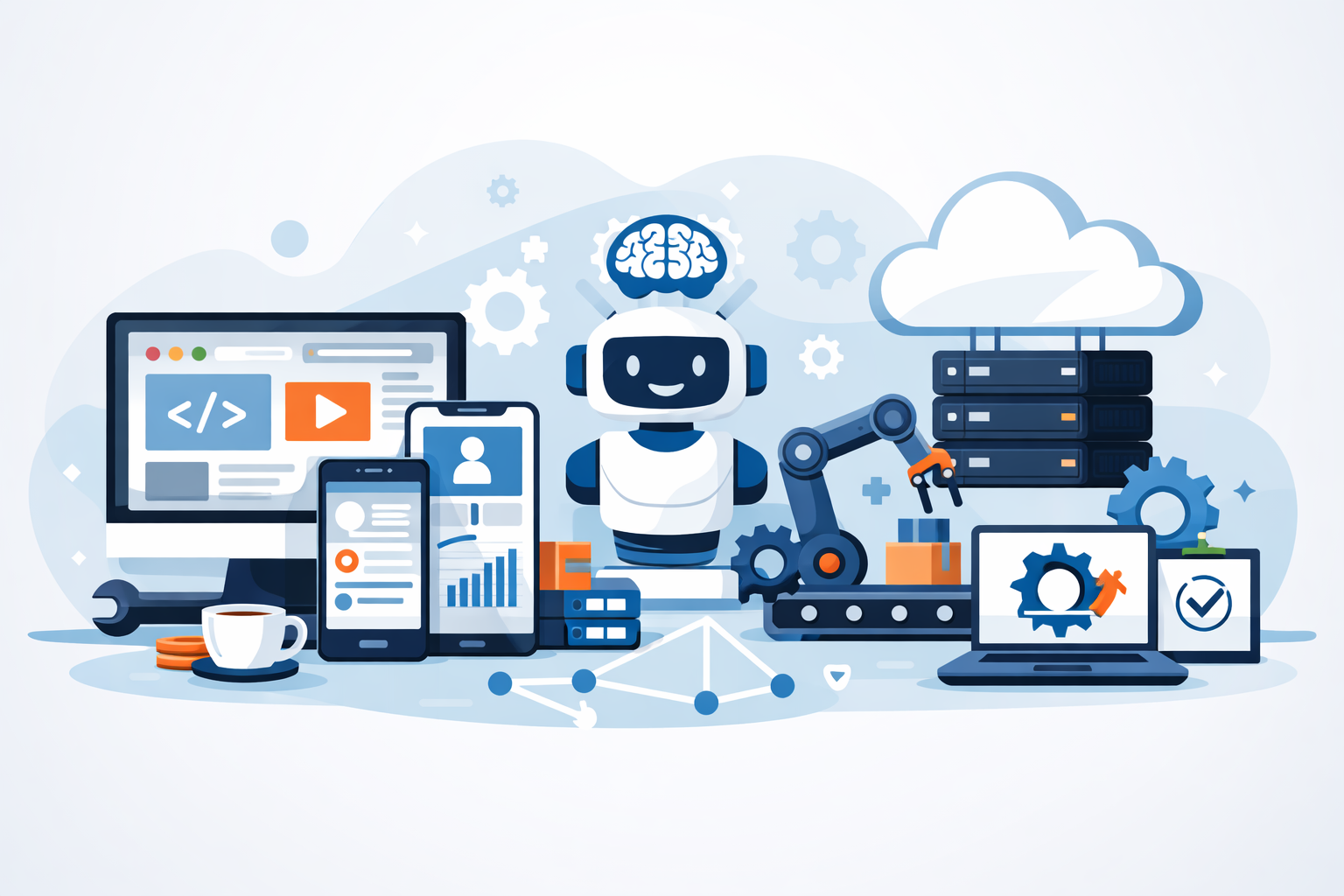
In today’s fast-evolving digital landscape, technology has become a core component of business growth and operational efficiency. Organizations across industries are adopting modern IT solutions to streamline processes, improve customer engagement, and remain competitive in an increasingly digital marketplace.
The Role of IT in Modern Business
Information technology is no longer limited to basic infrastructure or internal systems. It now plays a strategic role in shaping how businesses interact with customers, manage data, and deliver services. Well-designed IT solutions help organizations reduce manual effort, improve accuracy, and respond quickly to market changes.
From startups to large enterprises, companies are leveraging digital platforms to enhance productivity and create scalable systems that support long-term growth.
Web Development as a Digital Foundation
Web applications and websites form the foundation of a company’s digital presence. Modern web development focuses on responsiveness, performance, accessibility, and security. A well-structured website not only represents a brand but also supports lead generation, customer interaction, and service delivery.
By using modern frameworks and clean code practices, businesses can ensure their web platforms remain scalable and easy to maintain as requirements evolve.
Mobile Applications and User Engagement
Mobile applications have become essential tools for reaching users on their preferred devices. Businesses use mobile apps to provide personalized experiences, real-time updates, and convenient access to services.
Well-designed mobile applications focus on usability, performance optimization, and data security. Scalable mobile solutions allow businesses to support growing user bases without compromising reliability.
Artificial Intelligence and Automation
Artificial intelligence is increasingly used to automate repetitive tasks, analyze large datasets, and improve decision-making. AI-driven systems such as chatbots, recommendation engines, and predictive analytics help businesses operate more efficiently.
Automation reduces operational overhead while improving consistency and response times. When implemented responsibly, AI enhances productivity without replacing human judgment.
Custom Software for Unique Business Needs
Off-the-shelf software may not always align with specific business processes. Custom software development enables organizations to build solutions tailored to their workflows, compliance needs, and operational goals.
Custom systems such as CRMs, dashboards, and internal tools improve transparency and control, allowing businesses to adapt quickly to changing requirements.
Cloud, DevOps, and System Reliability
Cloud computing and DevOps practices support modern application deployment and system management. Automated deployment pipelines, monitoring tools, and infrastructure management improve reliability and reduce downtime.
These practices enable faster updates, better scalability, and consistent performance across environments.
Digital Marketing and Online Visibility
Technology also plays a key role in digital marketing efforts. SEO, analytics, and campaign tracking tools help businesses understand user behavior and measure performance.
Data-driven marketing strategies ensure better targeting, improved engagement, and more efficient use of resources.
Conclusion
Modern IT solutions provide businesses with the tools needed to operate efficiently, scale sustainably, and deliver better user experiences. By adopting the right combination of web, mobile, AI, automation, and cloud technologies, organizations can build resilient digital ecosystems that support long-term success.